The Field
An independent editorial publication examining the documented relationship between considered daily practice, balanced living, and sustained physical wellbeing.
How the Publication Began
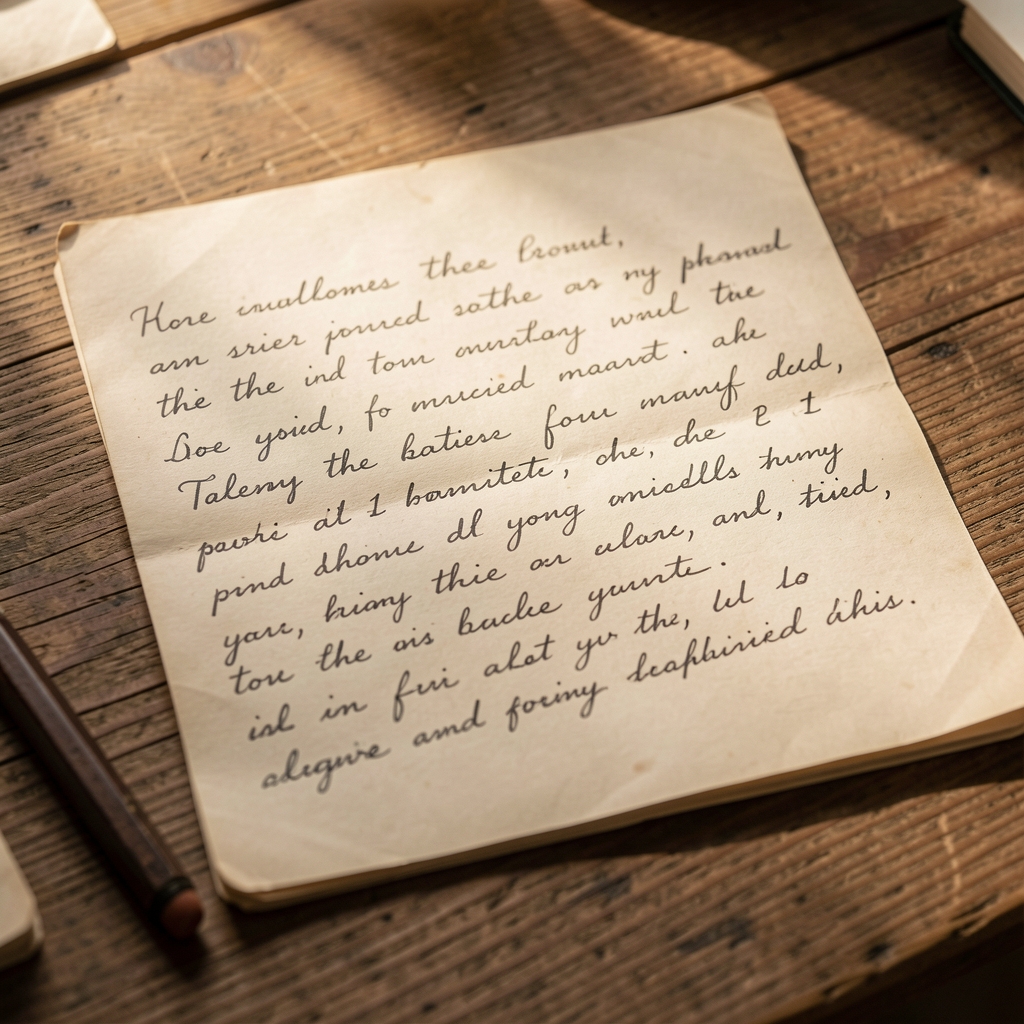
Astira Review began as a private field notebook — a place to document observations on daily rhythms, practice sequences and the small adjustments that accumulate into something recognisable over time. The initial entries were not written for publication. They were written for the writer: a record of what was tried, what held, what dissolved.
Over time, those notes began attracting correspondence from others engaged in similar enquiry. The questions that arrived were not about the dramatic — not about transformation or radical change. They were about the quiet: the morning window, the afternoon stretch of attention, the rhythm that either holds or doesn't across a working week. The publication grew from that correspondence.
The name Astira was taken from a private working title in notebook three. It stayed because no better word was found. It means nothing in particular — which felt appropriate for a publication that resists the vocabulary of acceleration and outcome.

Harriet Ashcroft
Harriet Ashcroft has spent over a decade writing about the intersection of daily routines, physical practice and the documented patterns of everyday attention. Her background is in long-form lifestyle journalism, having contributed to a range of independent publications focused on measured, evidence-referenced writing about how people actually live — not aspirationally, but observationally.
She founded Astira Review after finding that the publications she was writing for were increasingly interested in outcome rather than process. The distinction mattered. Process is where most of the actually interesting material resides — not in the claimed result, but in what happens across the weeks that precede it.
She edits all content published under the Astira Review banner and writes the majority of the long-form articles. Guest contributors are selected based on the quality of their observational writing, not their credentials or platform size.
Write to the Editor
Tobias Marsden writes primarily on the relationship between sustained attention, daily physical practice and mental clarity. He has been a practising writer for fifteen years, with a particular interest in the documentation of long-running personal experiments in habit and routine — not as self-improvement literature, but as observational writing in the tradition of nature journalling applied to indoor, everyday life.
His contribution to Astira Review is the articles concerned with the afternoon and evening portions of the day — the less-discussed hours that habit literature tends to skip in favour of the well-documented morning. He is interested in what happens to attention after lunch, why some practices hold into a second or third week while others dissolve, and what the structure of a considered evening looks like across different working patterns.
Tobias discloses that he holds no commercial relationships relevant to the subject matter of his contributions to this publication.
What Astira Review Covers
The structure of a considered start — what the first thirty to sixty minutes of a day look like across different practice patterns, and what the documented evidence says about the significance of that window.
How sustained, deliberate attention — applied to breath, movement, environment or a single recurring task — contributes to steadier daily performance and mental clarity over measured periods.
The incremental accumulation of small, consistent acts and what long-running observational writing shows about the architecture — the conditions, the sequences, the spatial arrangements — of lasting daily routines.
Balance understood not as a static achieved state but as a recurring, active adjustment. The daily recalibration that makes for a considered and sustainable pace of living across working weeks and changing seasons.
Patterns of daily endurance, physical wellbeing and the relationship between consistent physical practice, rest and nourishment — documented across individual writers' extended personal observation periods.
Archival observations and documented experiences drawn from extended personal practice periods, contributing writers' notebooks and the ongoing editorial fieldwork that sits behind the published pieces.
Articles begin with an observation or recurring question from the editorial notebook. Subject matter is selected based on its relevance to the publication's documented field, not on its search volume or trending status.
Relevant published research is reviewed from peer-reviewed journals and reputable institutional sources. Editorial selection prioritises long-running studies and replicated findings over single-study claims.
Every article is reviewed by at least one second editor before publication. The second editor's role is to check factual claims, flag unclear language and ensure the piece does not overstate what the evidence supports.
When errors are identified after publication, a dated correction is appended to the original article. The publication does not silently remove or alter published content — corrections are always visible and noted.


"Astira Review is not affiliated with any healthcare, commercial or governmental body. It does not sell supplements, endorse brands or carry advertising. Its editorial decisions are made entirely on the basis of what is interesting and well-documented."
The publication is funded by reader support and occasional sponsored content, clearly labelled as such. Sponsored content does not influence editorial selection or the positions taken in non-sponsored articles.
Contributors disclose any commercial relationships relevant to their subject matter within their author bio on each published piece. The editorial team reviews these disclosures before publication and may decline contributions where conflicts cannot be adequately disclosed.